Are you sure you’re drinking enough water? 🤔 If you’re like most people, you probably think you’ve got your hydration habits down pat. But what if everything you thought you knew about staying hydrated was… wrong?
From the “8 glasses a day” rule to relying solely on thirst, common hydration myths have been misleading us for years. These misconceptions aren’t just harmless mistakes – they could be seriously impacting your health, energy levels, and overall well-being. It’s time to pour out the old advice and fill up on some eye-opening truths about hydration.
In this post, we’ll dive deep into the world of hydration, debunking popular myths, uncovering surprising signs of dehydration, and revealing how to tailor your water intake to your unique lifestyle. Get ready to discover the hidden benefits of optimal hydration that could transform your daily life. 💧✨
Common Hydration Myths Debunked
Eight glasses a day isn’t a universal rule
The long-standing advice of drinking eight glasses of water daily is more myth than fact. This one-size-fits-all approach fails to consider individual factors such as:
- Body weight
- Activity level
- Climate
- Diet
Your hydration needs can vary significantly based on these factors. For instance, a sedentary office worker in a temperate climate may need less water than an active construction worker in a hot environment.
| Factor | Low Water Need | High Water Need |
|---|---|---|
| Activity | Sedentary | Highly active |
| Climate | Cool, humid | Hot, dry |
| Diet | High in water-rich foods | High in sodium, low in fruits/veggies |
Clear urine doesn’t always mean proper hydration
While urine color can be an indicator of hydration status, it’s not foolproof. Factors affecting urine color include:
- Medications
- Vitamins (especially B vitamins)
- Certain foods (e.g., beets, asparagus)
A pale yellow color is generally a good sign, but clear urine might indicate overhydration, which can lead to an imbalance in electrolytes.
Thirst isn’t the only indicator of dehydration
Relying solely on thirst to guide your water intake can be misleading. By the time you feel thirsty, you may already be mildly dehydrated. Other early signs of dehydration include:
- Dry mouth
- Fatigue
- Headache
- Decreased urine output
Sports drinks aren’t necessary for everyday hydration
For most people engaging in moderate exercise or daily activities, plain water is sufficient. Sports drinks are designed for:
- Intense workouts lasting over an hour
- Extreme heat conditions
- Endurance activities
These drinks contain added electrolytes and sugars, which aren’t necessary for routine hydration and may contribute to excess calorie intake if consumed regularly. For everyday hydration, stick to water and save sports drinks for intense physical activities.
Signs You’re Not Hydrating Correctly

Persistent fatigue and low energy
Feeling constantly tired and lacking energy could be a clear indicator that you’re not drinking enough water. When your body is dehydrated, it struggles to perform basic functions efficiently, leading to a sense of sluggishness. This fatigue can impact your daily activities and overall productivity.
Frequent headaches
Dehydration often manifests as persistent headaches. When your body lacks sufficient water, blood volume decreases, reducing oxygen flow to the brain. This can trigger mild to severe headaches, which may be easily mistaken for other health issues.
Dry skin and chapped lips
| Hydration Level | Skin Appearance | Lip Condition |
|---|---|---|
| Well-hydrated | Plump, elastic | Soft, smooth |
| Dehydrated | Dry, flaky | Chapped, cracked |
Your skin and lips are excellent indicators of your hydration status. Inadequate water intake can lead to dry, flaky skin and persistently chapped lips, as your body struggles to maintain proper moisture levels.
Dark-colored urine
The color of your urine is a reliable gauge of your hydration level:
- Pale yellow: Well-hydrated
- Dark yellow or amber: Mildly dehydrated
- Brown: Severely dehydrated
Consistently dark urine is a clear sign that you need to increase your water intake.
Poor concentration and mood swings
Dehydration can significantly impact cognitive function and emotional stability. When you’re not properly hydrated, you may experience:
- Difficulty focusing
- Memory problems
- Irritability
- Anxiety
These symptoms can affect your work performance and personal relationships. By recognizing these signs, you can take steps to improve your hydration habits and overall health.
Tailoring Your Hydration to Your Lifestyle

Adjusting intake based on activity level
Your hydration needs vary significantly depending on your activity level. Here’s a quick guide:
| Activity Level | Daily Water Intake |
|---|---|
| Sedentary | 8-10 cups |
| Moderate | 10-12 cups |
| Active | 12-16 cups |
| Athlete | 16+ cups |
Remember to increase your intake during and after exercise, especially in hot conditions.
Considering climate and environmental factors
Environmental factors play a crucial role in your hydration needs:
- Hot climates: Increase intake by 1-2 cups per 5°F above 85°F
- High altitudes: Add 3-4 cups to your daily intake
- Air travel: Drink an extra cup of water for every hour in the air
Accounting for age and health conditions
As we age, our thirst response diminishes. Seniors should be proactive about hydration. Certain health conditions also affect hydration:
- Diabetes: May require increased fluid intake
- Heart or kidney issues: Consult a doctor for personalized recommendations
Balancing hydration with dietary habits
Your diet influences hydration:
- High-sodium foods increase fluid needs
- Fruits and vegetables contribute to daily water intake
- Caffeine and alcohol can be dehydrating; balance with extra water
Tailoring your hydration to your lifestyle ensures optimal health and performance. Now, let’s explore the hidden benefits of maintaining proper hydration levels.
The Hidden Benefits of Optimal Hydration
Enhanced physical performance
Proper hydration is crucial for peak physical performance. When adequately hydrated, athletes and fitness enthusiasts experience:
- Improved endurance
- Reduced risk of heat exhaustion
- Better muscle function
- Faster recovery times
A well-hydrated body maintains optimal blood volume, ensuring efficient nutrient and oxygen delivery to working muscles. This translates to enhanced stamina and reduced fatigue during workouts or competitions.
Improved cognitive function
Staying hydrated doesn’t just benefit your body; it also boosts your brain power. Here’s how optimal hydration affects your cognitive abilities:
| Cognitive Function | Hydration Impact |
|---|---|
| Memory | Improved recall and retention |
| Concentration | Enhanced focus and attention span |
| Mood | Reduced irritability and anxiety |
| Reaction time | Faster response to stimuli |
Even mild dehydration can impair mental performance, so maintaining proper hydration is essential for peak cognitive function throughout the day.
Better skin health and appearance
Adequate hydration is your skin’s best friend. When you’re well-hydrated:
- Skin appears more plump and supple
- Fine lines and wrinkles are less noticeable
- Skin tone becomes more even and radiant
- Acne and other skin issues may improve
Water helps flush toxins from your body, including your skin, promoting a clearer complexion. It also supports the skin’s natural elasticity, contributing to a more youthful appearance.
Support for weight management efforts
Proper hydration can be a valuable ally in your weight management journey. Here’s how:
- Water can increase feelings of fullness, reducing overall calorie intake
- Staying hydrated boosts metabolism, helping burn more calories
- Proper hydration supports efficient digestion and nutrient absorption
Additionally, sometimes thirst can be mistaken for hunger. By staying well-hydrated, you’re less likely to confuse these signals and overeat.
Boosted immune system function
Optimal hydration plays a crucial role in supporting your immune system. When you’re well-hydrated:
- Your body can more efficiently transport nutrients to immune cells
- Lymph fluid, which carries immune cells throughout your body, flows more easily
- Mucous membranes in your respiratory tract stay moist, trapping potential pathogens
By maintaining proper hydration, you’re giving your immune system the support it needs to function at its best, helping you stay healthier overall.
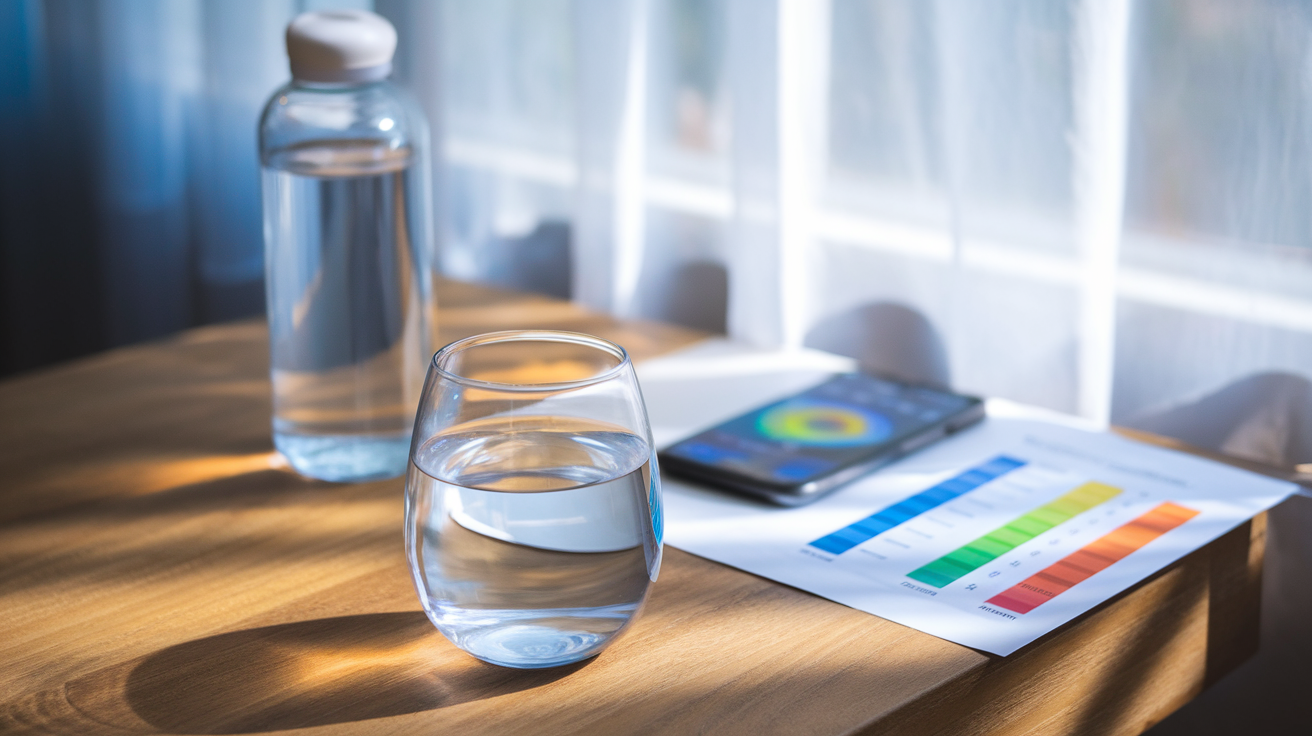
Staying properly hydrated is more nuanced than simply drinking eight glasses of water a day. By debunking common hydration myths and recognizing the signs of inadequate hydration, you can start to develop a more personalized and effective approach to meeting your body’s fluid needs. Tailoring your hydration habits to your unique lifestyle and activity level is crucial for maintaining optimal health and well-being.
Remember, proper hydration goes beyond quenching thirst – it can enhance cognitive function, improve physical performance, and support overall health. Take the time to reassess your hydration habits and make necessary adjustments. Your body will thank you with increased energy, better focus, and improved vitality. Start today by listening to your body’s signals and making hydration a mindful part of your daily routine.