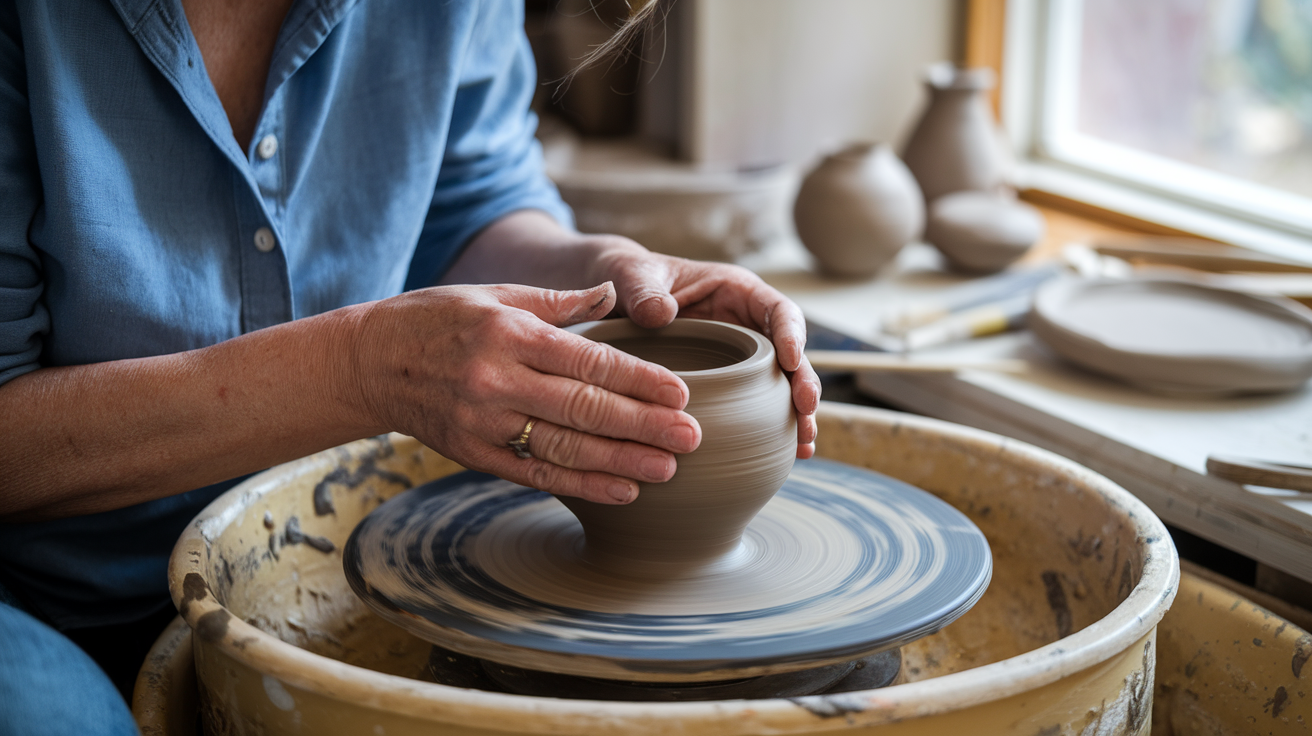
Have you ever felt the weight of stress bearing down on you, seeking an escape from the hustle and bustle of daily life? 🤔 Look no further than the ancient art of clay crafting. This timeless hobby isn’t just about creating beautiful objects; it’s a powerful tool for stress relief and mental well-being.
Imagine sinking your hands into cool, pliable clay, feeling its texture as it molds to your touch. As you shape and create, you’ll find your worries melting away, replaced by a sense of calm and focus. Clay crafting offers a unique combination of tactile stimulation and creative expression that can work wonders for your stress levels. But don’t just take our word for it – science backs up the soothing effects of this artistic pursuit.
In this post, we’ll delve into the fascinating world of clay crafting as a stress-buster. We’ll explore the science behind its calming effects, uncover the physical and mental health benefits, and guide you on how to get started with this rewarding hobby. Whether you’re a seasoned artist or a complete beginner, clay crafting might just be the stress-relief solution you’ve been searching for.
The Science Behind Clay’s Calming Effect
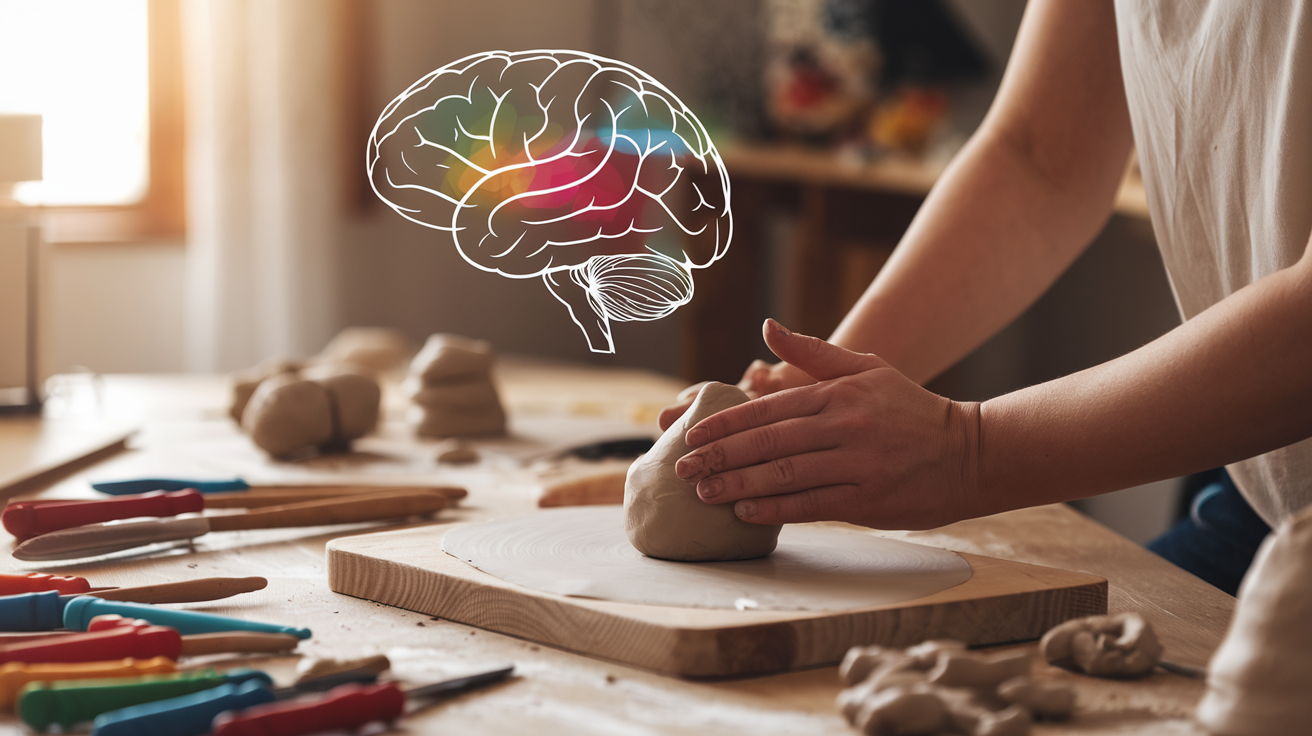
A. Tactile stimulation and stress reduction
Clay crafting offers a unique form of tactile stimulation that has been shown to significantly reduce stress levels. The act of kneading, shaping, and molding clay engages multiple sensory pathways in the brain, creating a soothing effect on the nervous system.
- Activates pressure receptors in the skin
- Releases endorphins and decreases cortisol levels
- Promotes relaxation and reduces muscle tension
| Tactile Activity | Stress Reduction Effect |
|---|---|
| Kneading clay | High |
| Shaping details | Moderate to High |
| Smooth finishing | Moderate |
B. Mindfulness through repetitive motions
The repetitive nature of clay crafting naturally induces a state of mindfulness, helping practitioners stay present and focused on the task at hand. This meditative quality of clay work can lead to:
- Improved concentration and mental clarity
- Reduced anxiety and racing thoughts
- Enhanced self-awareness and emotional regulation
C. Grounding connection with natural materials
Working with clay establishes a profound connection to the earth, providing a grounding experience that can be deeply therapeutic. This connection to natural materials offers:
- A sense of stability and rootedness
- Increased appreciation for the natural world
- Improved emotional balance and perspective
The combination of these elements makes clay crafting an exceptionally effective stress-buster, offering both immediate relief and long-term benefits for mental well-being. As we explore further, we’ll discover the physical advantages that complement these psychological effects.
Physical Benefits of Clay Crafting
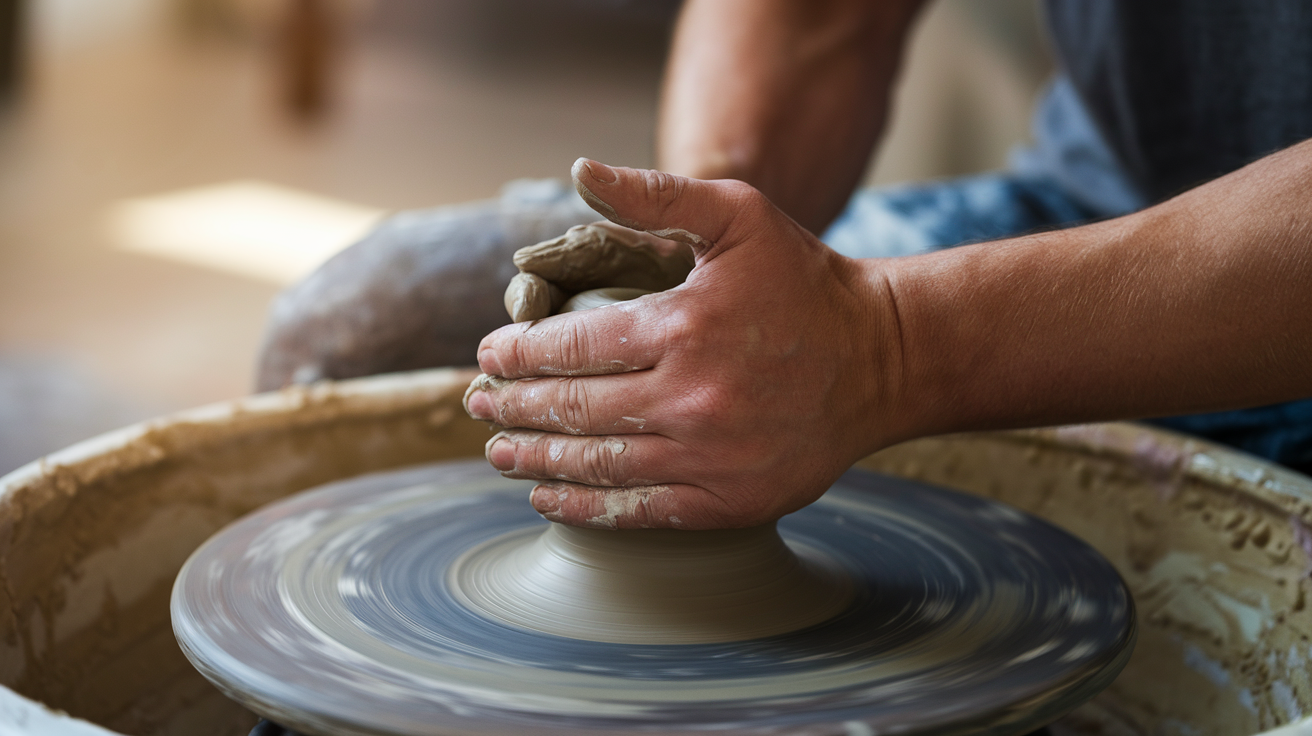
Improved fine motor skills
Clay crafting offers a fantastic way to enhance your fine motor skills. As you manipulate the clay, your fingers and hands perform intricate movements, strengthening the small muscles responsible for precise actions. This improvement in fine motor skills can benefit various aspects of your daily life, from writing to using digital devices.
Enhanced hand-eye coordination
Working with clay requires a harmonious connection between your hands and eyes. As you shape, mold, and sculpt, your brain constantly processes visual information and translates it into precise hand movements. This practice significantly enhances your hand-eye coordination, which can positively impact other activities like sports or playing musical instruments.
Gentle exercise for arthritic hands
For those suffering from arthritis, clay crafting provides a gentle yet effective form of exercise. The kneading and molding motions can help reduce stiffness and increase flexibility in the joints. Here’s a comparison of clay crafting benefits for arthritic hands:
| Benefit | Description |
|---|---|
| Pain relief | Gentle movements can help alleviate joint pain |
| Increased range of motion | Regular clay work can improve flexibility |
| Strengthening | Clay manipulation strengthens hand muscles |
| Low impact | Minimal stress on joints compared to other activities |
Increased dexterity and flexibility
Regular clay crafting can significantly improve your overall hand dexterity and flexibility. As you work with different clay textures and create various shapes, your hands become more agile and adaptable. This increased dexterity can be particularly beneficial for:
- Everyday tasks like buttoning shirts or tying shoelaces
- Playing musical instruments
- Typing or using touchscreens
- Precision work in various professions
Now that we’ve explored the physical benefits of clay crafting, let’s delve into its mental health advantages and how it can positively impact your overall well-being.
Mental Health Advantages
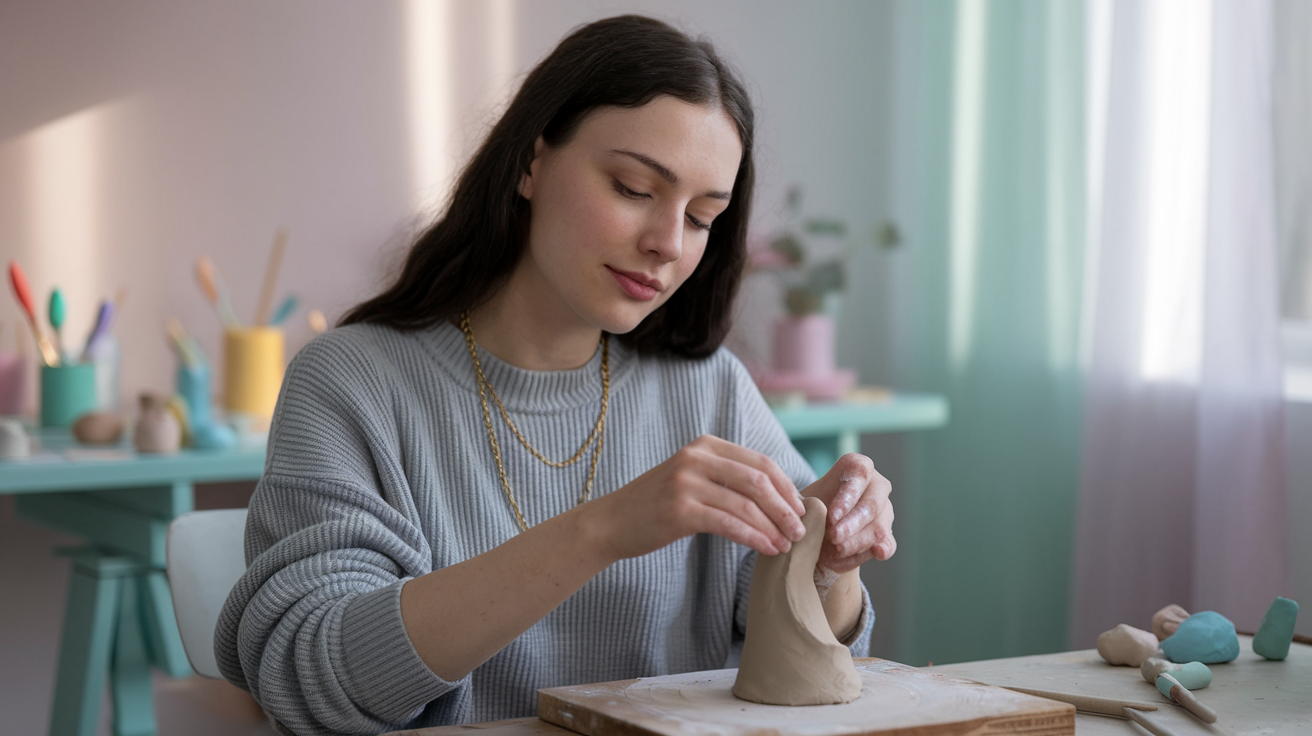
Boosting self-esteem through creativity
Clay crafting offers a unique opportunity to boost self-esteem through creative expression. As you mold and shape clay into tangible objects, you’re not just creating art – you’re building confidence. Each completed project serves as a testament to your abilities, fostering a sense of accomplishment and pride.
Anxiety reduction through focus
Engaging in clay crafting demands concentration, effectively shifting your focus away from anxiety-inducing thoughts. This mindful practice allows you to enter a state of flow, where time seems to stand still and worries fade into the background. The tactile nature of clay work grounds you in the present moment, providing a much-needed respite from stress.
Emotional expression without words
Clay serves as a powerful medium for emotional expression, especially when words fall short. Through shaping and molding, you can externalize complex feelings and experiences, creating a visual representation of your inner world. This non-verbal outlet can be particularly therapeutic for those who struggle with articulating their emotions.
Social connection in group classes
| Benefits of Group Clay Classes |
|---|
| Shared experiences |
| Skill exchange |
| Mutual encouragement |
| Sense of community |
Participating in group clay classes offers numerous mental health benefits:
- Fostering social connections
- Combating feelings of isolation
- Encouraging peer learning and support
- Creating a sense of belonging
These social interactions, combined with the therapeutic aspects of clay crafting, create a powerful tool for improving overall mental well-being. As we explore the mental health advantages of clay crafting, it becomes clear why this ancient art form has found new life as a modern stress-buster.
Getting Started with Clay Crafting
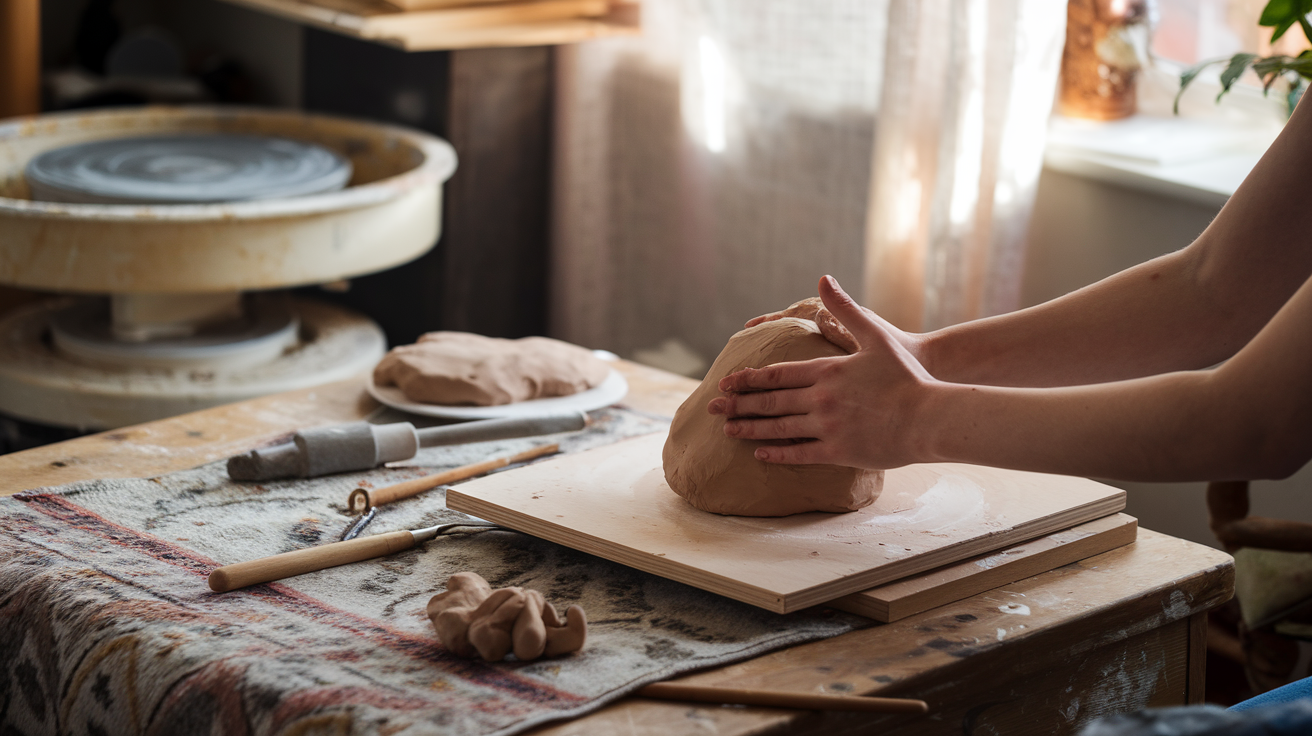
Essential tools and materials
To embark on your clay crafting journey, you’ll need a few key items. Here’s a list of essential tools and materials to get you started:
- Clay (polymer, air-dry, or earthenware)
- Rolling pin
- Cutting tools (wire cutter, craft knife)
- Shaping tools (wooden sculpting tools, clay shapers)
- Texture mats or stamps
- Work surface (ceramic tile or acrylic sheet)
- Oven (for polymer clay)
| Clay Type | Pros | Cons |
|---|---|---|
| Polymer | Colorful, durable | Requires baking |
| Air-dry | No baking needed | Can crack while drying |
| Earthenware | Traditional, natural | Needs kiln firing |
Basic techniques for beginners
Start with these fundamental clay crafting techniques:
- Conditioning: Warm and soften the clay by kneading it.
- Rolling: Use a rolling pin to create even sheets of clay.
- Cutting: Practice using various tools to cut shapes.
- Joining: Learn to attach clay pieces using scoring and slip.
- Texturing: Experiment with creating patterns using tools or found objects.
Finding local classes or online tutorials
Enhance your skills through guided learning:
- Check community centers for local pottery classes
- Search for clay crafting workshops at art supply stores
- Explore online platforms like Skillshare or Udemy for video tutorials
- Join clay crafting groups on social media for tips and inspiration
Setting up a relaxing crafting space
Create an environment that fosters creativity and relaxation:
- Choose a well-lit area with good ventilation
- Organize tools and materials in easily accessible containers
- Add comfortable seating and a sturdy work table
- Include calming elements like plants or soft background music
- Keep cleaning supplies handy for a tidy workspace
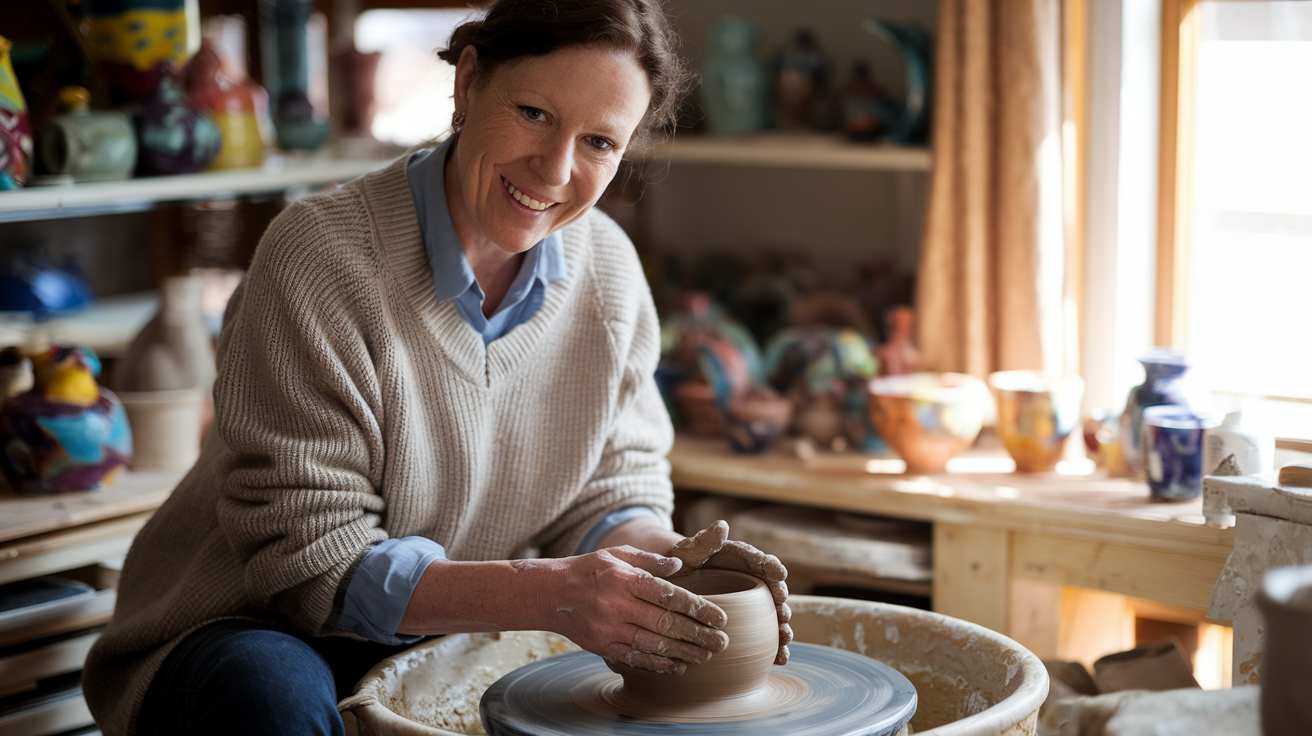
Clay crafting offers a unique combination of physical and mental benefits that make it an excellent stress-relieving activity. By engaging our senses and focusing our attention, working with clay activates the relaxation response in our bodies, reducing stress hormones and promoting a sense of calm. The tactile nature of clay work provides a satisfying physical outlet, while the creative process stimulates our minds and boosts our mood.
If you’re looking for a new way to unwind and express yourself, clay crafting might be just what you need. Whether you’re a complete beginner or have some experience, there are plenty of ways to get started with this versatile medium. So why not give it a try? Pick up some clay, let your imagination run wild, and discover the stress-busting power of clay crafting for yourself.