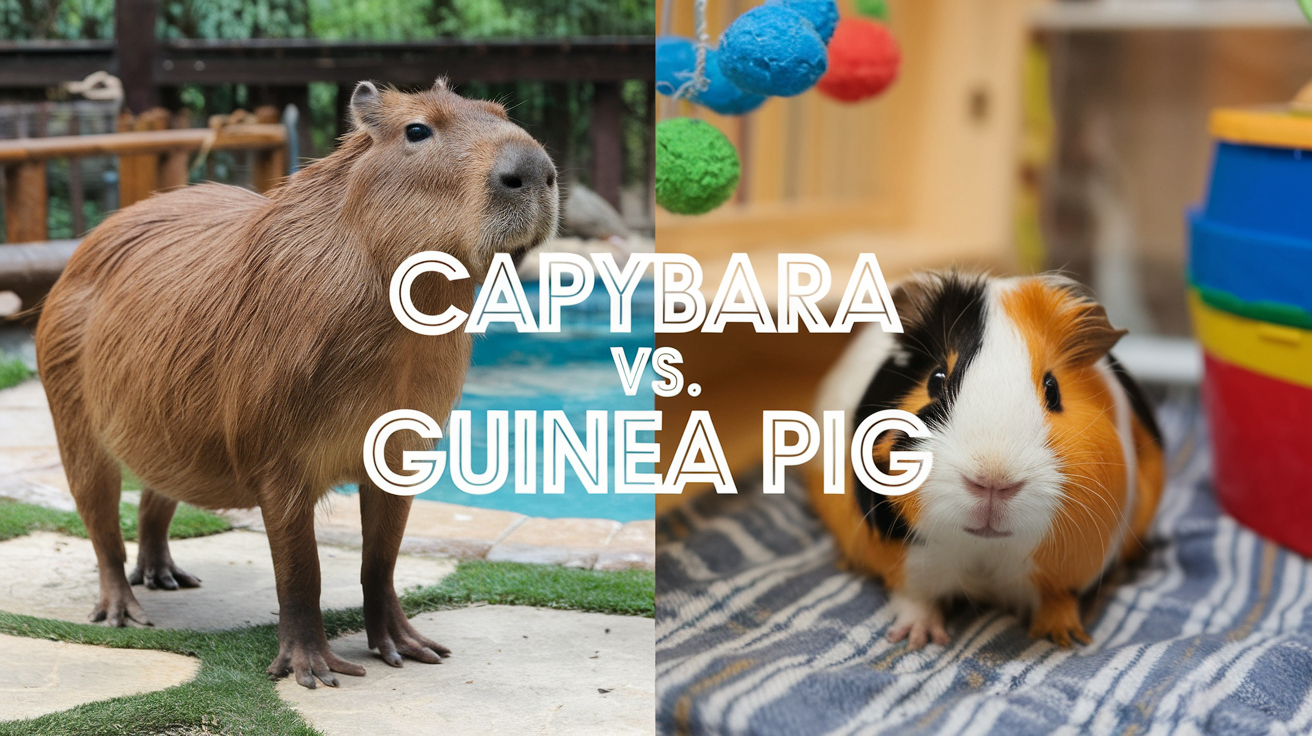
🐾 Are you torn between the adorable charm of a guinea pig and the exotic allure of a capybara? You’re not alone! As unique pets gain popularity, many animal lovers find themselves weighing the pros and cons of these two lovable rodents. But which one is truly the better choice for your home?
Imagine cuddling up with a furry friend that perfectly fits your lifestyle and living space. Whether you’re dreaming of a pint-sized companion or a larger-than-life pet, both capybaras and guinea pigs offer distinct advantages. But before you make your decision, it’s crucial to understand the responsibilities, costs, and daily care each animal requires.
In this comprehensive guide, we’ll dive into the world of capybaras and guinea pigs, exploring everything from their unique personalities to their maintenance needs. We’ll compare these charming creatures across six key areas, helping you make an informed decision that ensures both you and your new pet will be happy for years to come. So, let’s embark on this exciting journey to find your perfect rodent companion! 🐹🦫
Understanding Capybaras as Pets
Size and space requirements
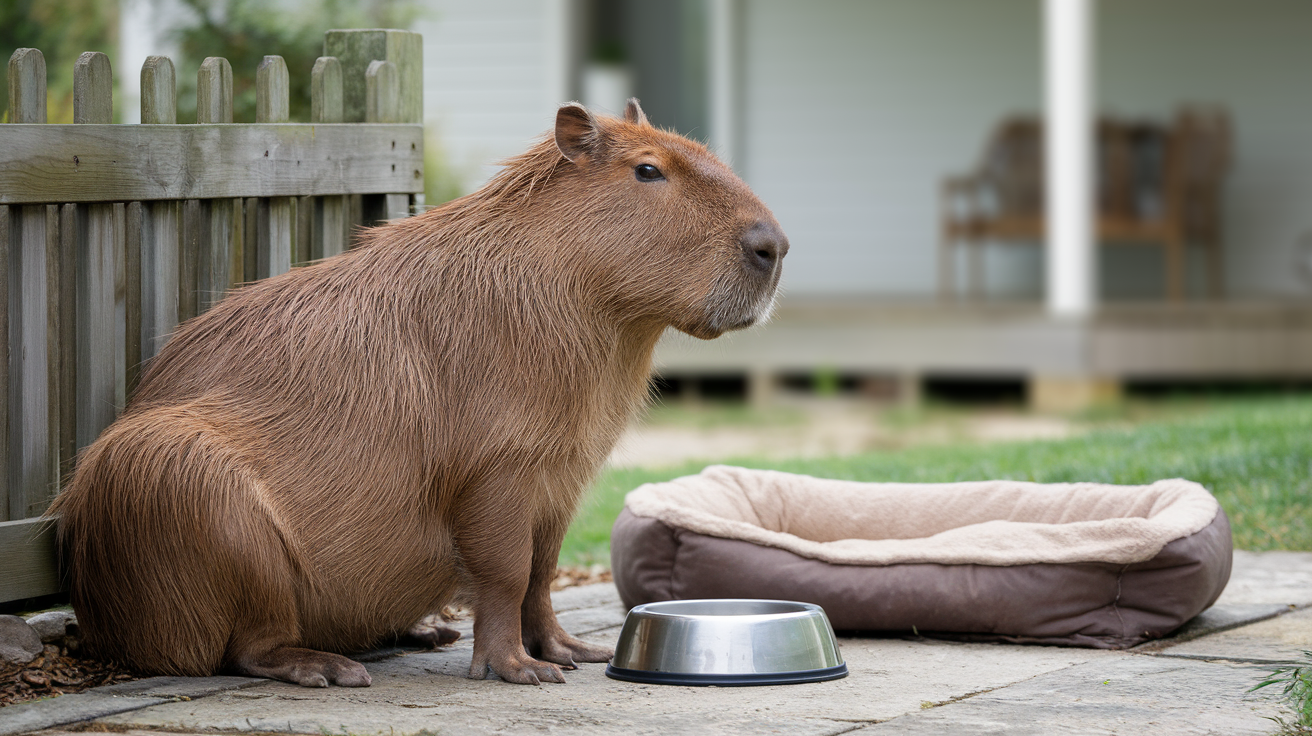
Capybaras, the world’s largest rodents, require substantial living space due to their impressive size. Adult capybaras can weigh up to 150 pounds and measure 4 feet in length. To accommodate these gentle giants, you’ll need:
- A large outdoor enclosure (minimum 600 square feet)
- Access to a pool or water feature (at least 4 feet deep)
- Sturdy fencing (at least 4 feet high)
| Feature | Minimum Requirement |
|---|---|
| Enclosure size | 600 sq ft |
| Pool depth | 4 feet |
| Fence height | 4 feet |
Social nature and companionship needs
Capybaras are highly social animals, thriving in groups in their natural habitat. As pets, they require:
- Regular interaction with their human family
- Preferably a capybara companion
- Enrichment activities to prevent boredom
Diet and nutritional needs
These herbivores have specific dietary requirements:
- Fresh grass and hay (80{64676f14391a68311c45c2fe276f421c658a5f5671f592704a137724b9a75849} of diet)
- Vegetables and fruits (15{64676f14391a68311c45c2fe276f421c658a5f5671f592704a137724b9a75849} of diet)
- Commercial pellets (5{64676f14391a68311c45c2fe276f421c658a5f5671f592704a137724b9a75849} of diet)
- Constant access to fresh water
Lifespan and long-term commitment
Owning a capybara is a significant commitment:
- Lifespan: 8-10 years in captivity
- Daily care and attention required
- Regular veterinary check-ups with an exotic pet specialist
Now that we’ve explored capybaras as pets, let’s examine how guinea pigs compare as household companions.
Guinea Pigs as Household Companions
Compact size and housing options
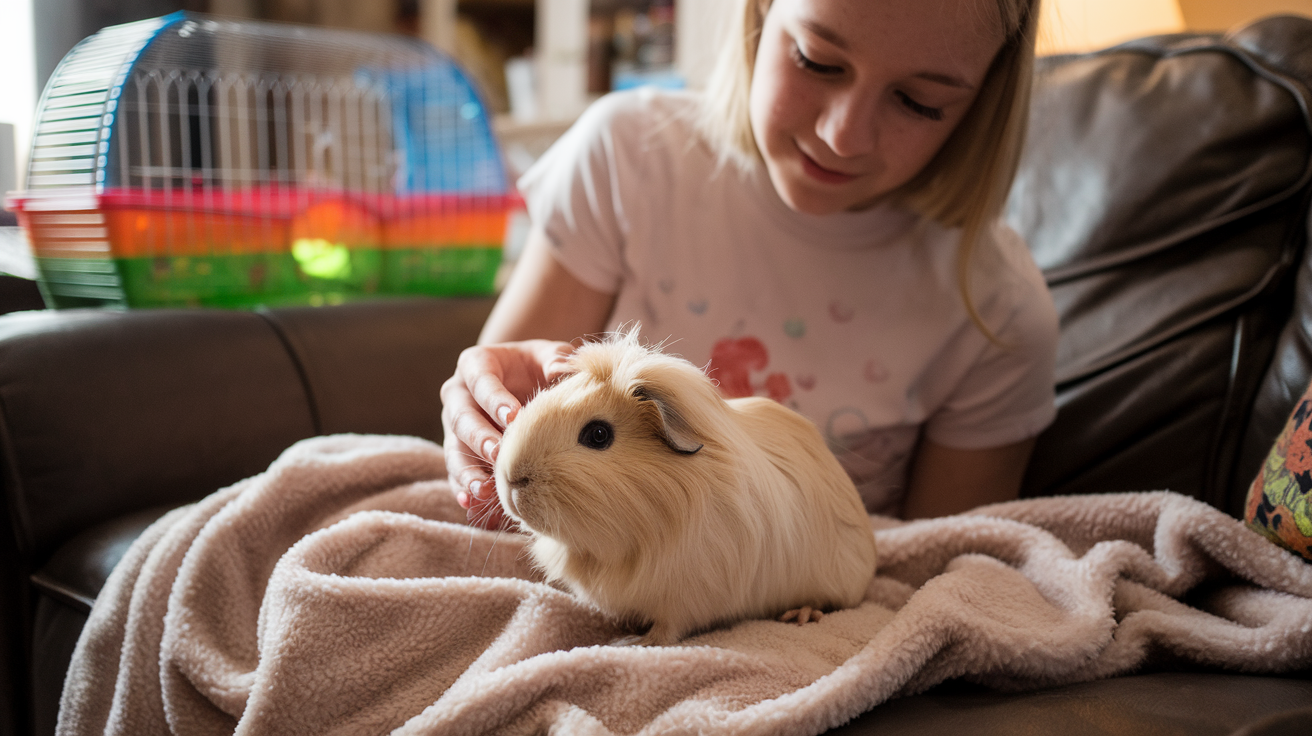
Guinea pigs are ideal for small living spaces due to their compact size. A standard cage of 7.5 square feet can comfortably house two guinea pigs. For larger groups, consider these options:
- C&C cages: Customizable and spacious
- Multi-level habitats: Maximize vertical space
- Indoor playpens: Provide temporary exercise areas
Social behavior and interaction with humans
These social creatures thrive on companionship, both with their own kind and humans. Guinea pigs:
- Communicate through various vocalizations
- Enjoy gentle handling and petting
- Benefit from daily interaction and playtime
Dietary simplicity and availability
Guinea pig nutrition is straightforward and easily accessible:
| Food Type | Examples | Frequency |
|---|---|---|
| Hay | Timothy, orchard grass | Always available |
| Pellets | Commercial guinea pig food | Daily, limited amount |
| Vegetables | Leafy greens, bell peppers | Daily, varied selection |
| Fruits | Apple, strawberries | Occasional treats |
Average lifespan and care commitment
With proper care, guinea pigs typically live 4-8 years, making them a manageable long-term pet. Regular care includes:
- Daily feeding and water changes
- Weekly cage cleaning
- Monthly nail trimming
- Annual veterinary check-ups
Variety of breeds and appearances
Guinea pigs come in diverse breeds, each with unique characteristics:
- American: Short, smooth coat
- Abyssinian: Rosette patterned fur
- Peruvian: Long, flowing hair
- Texel: Long, curly coat
This variety allows potential owners to choose a guinea pig that suits their preferences in terms of appearance and grooming needs. With their charming personalities and relatively easy care requirements, guinea pigs make excellent household companions for a wide range of pet owners.
Comparing Care and Maintenance
Daily time investment
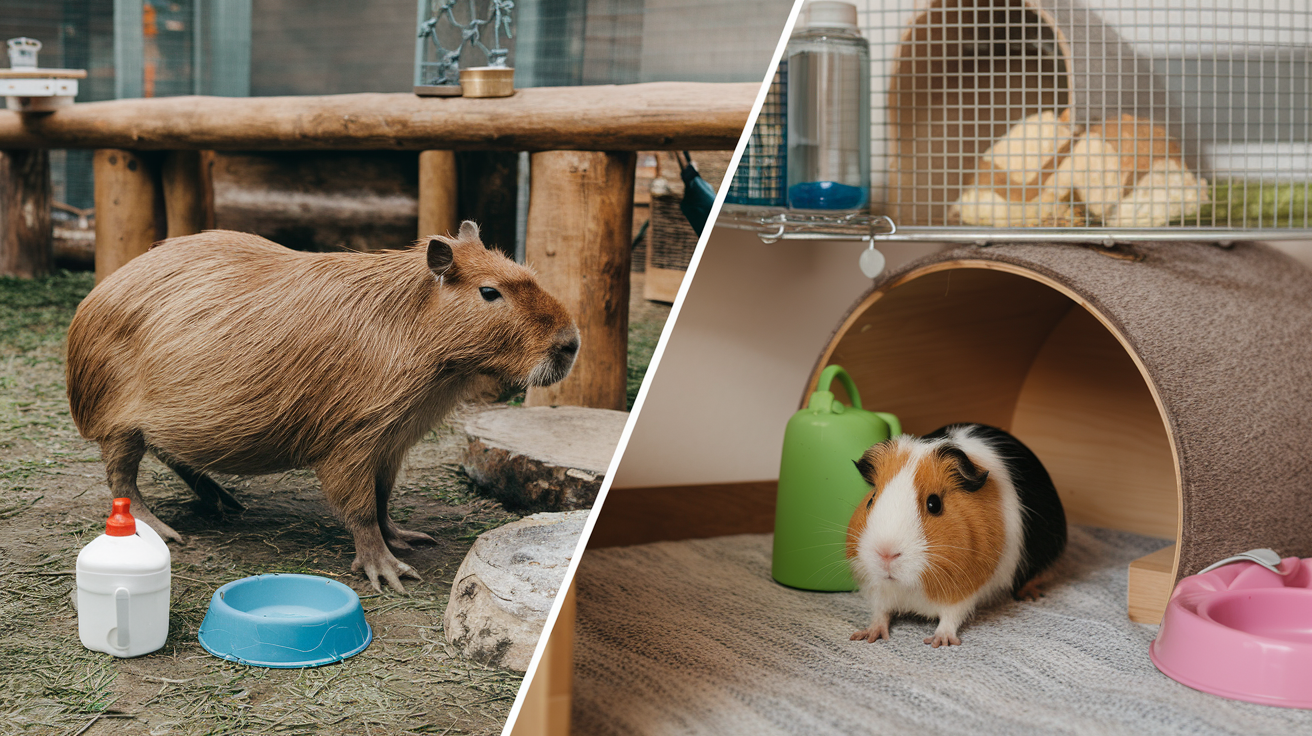
When comparing capybaras and guinea pigs, the daily time investment differs significantly:
| Aspect | Capybara | Guinea Pig |
|---|---|---|
| Feeding | 2-3 times/day | 2-3 times/day |
| Interaction | 2-3 hours/day | 1-2 hours/day |
| Cleaning | 30-60 min/day | 15-30 min/day |
Capybaras require more time due to their larger size and social nature. They need frequent water changes and space cleaning. Guinea pigs, being smaller, are less time-intensive but still need regular attention.
Grooming needs
- Capybaras:
- Weekly brushing
- Regular nail trimming
- Occasional bathing
- Guinea pigs:
- Weekly brushing
- Monthly nail trimming
- Rare bathing
Capybaras need access to water for swimming, which helps maintain their skin and coat. Guinea pigs are generally low-maintenance in grooming.
Exercise requirements
Capybaras need ample space for exercise, ideally with a pool or large water source. They require at least 2 hours of active time daily. Guinea pigs need less space but should have daily floor time for exploration and exercise, typically 1-2 hours.
Veterinary care and health concerns
Both animals need regular check-ups, but capybaras may require specialized exotic vets. Guinea pigs are prone to respiratory issues and dental problems, while capybaras can face unique health challenges due to their size and semi-aquatic nature. Vaccinations and parasite prevention are crucial for both species.
Now that we’ve compared the care and maintenance aspects, let’s explore how these pets fit into different lifestyles.
Lifestyle Compatibility
Noise levels and apartment living
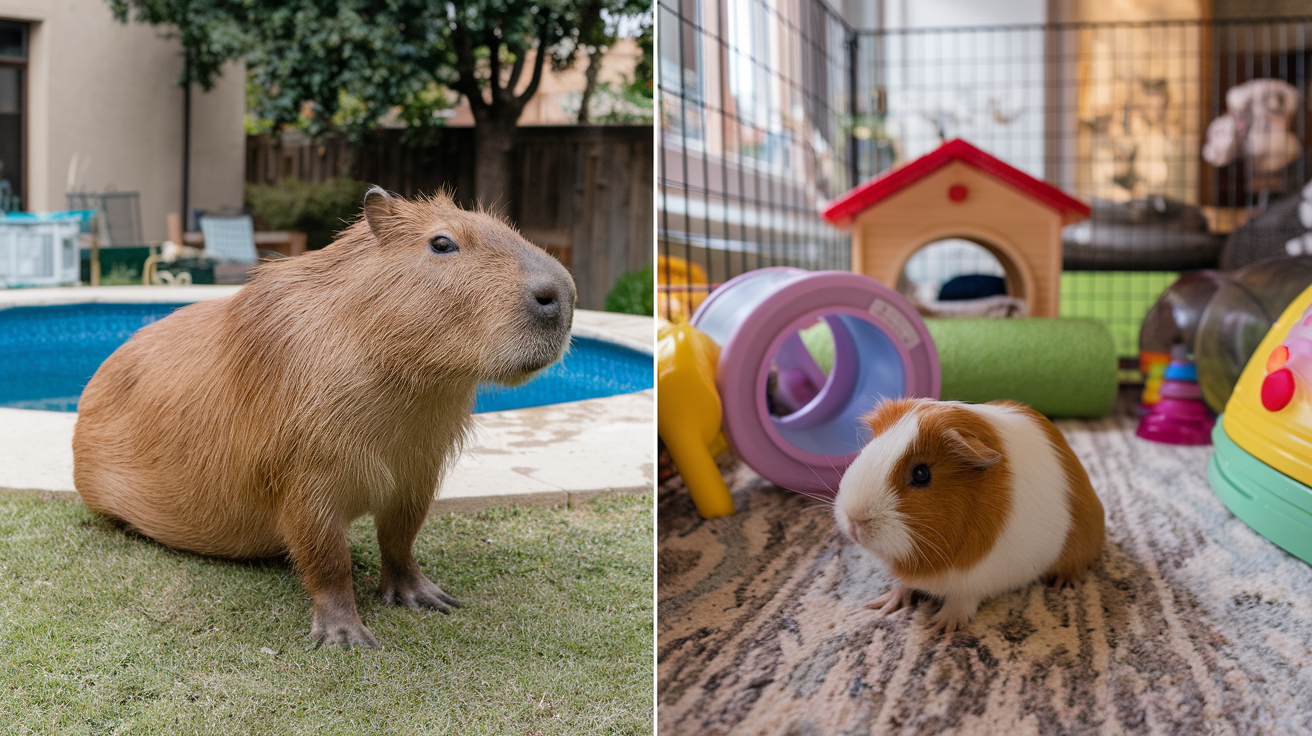
When considering a pet for apartment living, noise levels are crucial. Guinea pigs are generally quiet, making occasional whistles and chirps. Capybaras, however, can be quite vocal with their barks, whistles, and purrs, potentially causing issues in shared living spaces.
| Pet | Noise Level | Apartment Suitability |
|---|---|---|
| Guinea Pig | Low | High |
| Capybara | Moderate to High | Low |
Child-friendliness and safety
Both animals can be child-friendly, but with different considerations:
- Guinea pigs:
- Small and gentle
- Easy for children to handle
- Less likely to cause accidental injury
- Capybaras:
- Large and robust
- Require adult supervision
- Potential for unintended harm due to size
Travel and pet-sitting ease
Guinea pigs are more convenient for travel and pet-sitting:
- Portable cages
- Simple care routines
- Widely recognized by pet sitters
Capybaras present challenges:
- Require specialized care
- Difficult to transport
- Limited pet-sitting options
Social perception and uniqueness factor
Capybaras definitely stand out in the uniqueness department. As the world’s largest rodent, they’re sure to turn heads and spark conversations. However, this uniqueness can also lead to challenges in finding proper care and accommodations.
Guinea pigs, while more common, still offer a delightful and socially acceptable pet option. They’re widely recognized and accepted in most communities.
Now that we’ve explored lifestyle compatibility, let’s examine the financial aspects of owning these pets.
Cost Analysis
A. Initial purchase or adoption fees
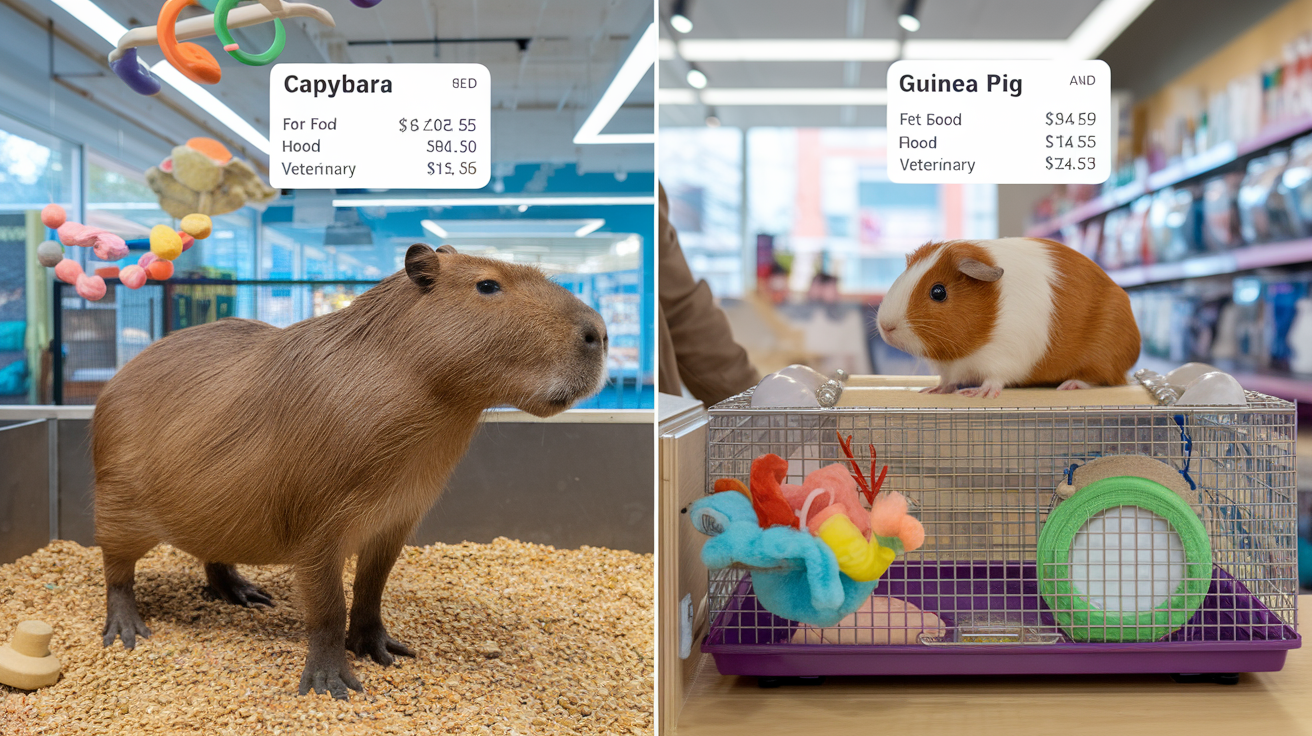
When considering a capybara or guinea pig as a pet, the initial costs can vary significantly. Guinea pigs are generally more affordable, with adoption fees ranging from $25 to $50 at animal shelters. Pet stores may charge $10 to $40 for a guinea pig. Capybaras, being exotic pets, are considerably more expensive, with prices ranging from $1,000 to $3,000 from reputable breeders.
B. Ongoing food and supply expenses
The ongoing costs for food and supplies differ between these two animals:
| Expense | Guinea Pig | Capybara |
|---|---|---|
| Food (monthly) | $20-$30 | $100-$150 |
| Bedding (monthly) | $10-$20 | $50-$100 |
| Toys and enrichment (yearly) | $50-$100 | $200-$300 |
C. Veterinary and healthcare costs
Regular veterinary care is essential for both animals:
- Guinea pigs: Annual check-ups cost $50-$100
- Capybaras: Exotic vet visits can range from $100-$300 per visit
Emergency care and potential surgeries can be significantly more expensive for capybaras due to their size and specialized needs.
D. Potential property modifications
Guinea pigs require minimal property modifications, typically needing only a secure indoor cage. Capybaras, however, demand substantial outdoor space:
- Fencing: $1,000-$3,000 for a secure enclosure
- Pool or water feature: $500-$2,000 for a suitable swimming area
- Shelter: $200-$500 for protection from elements
When considering the overall cost, it’s clear that capybaras are significantly more expensive to keep as pets compared to guinea pigs. This financial commitment is an important factor to consider when deciding between these two animals as potential pets.
Making the Final Decision

Assessing your living space
When deciding between a capybara and a guinea pig, your living space is a crucial factor. Capybaras require significantly more room than guinea pigs. Here’s a comparison:
| Pet | Minimum Space Required | Outdoor Area Needed |
|---|---|---|
| Capybara | 50 sq ft indoor | Large yard or pool |
| Guinea Pig | 7.5 sq ft cage | Optional play area |
Capybaras thrive in homes with ample space and access to water for swimming. Guinea pigs, being smaller, are more adaptable to various living situations, including apartments.
Evaluating your time availability
Both pets require daily care, but their needs differ:
- Capybaras:
- Need several hours of attention daily
- Require regular swimming time
- Demand more intensive care and socialization
- Guinea Pigs:
- Require about an hour of care daily
- Enjoy playtime outside their cage
- Easier to maintain with a busy lifestyle
Considering long-term commitment
Capybaras can live up to 12 years, while guinea pigs typically live 4-8 years. This longevity difference is significant when considering your future plans and ability to provide care for the entirety of the pet’s life.
Matching pet personality to owner lifestyle
Capybaras are social, active, and require significant engagement. They suit owners with an outdoor-oriented lifestyle and plenty of free time. Guinea pigs, while social, are more low-key and adaptable to various lifestyles, making them suitable for a wider range of owners.
Consider your daily routine, energy levels, and long-term plans when making your decision. While capybaras offer a unique pet experience, guinea pigs provide a more manageable option for many households.
Choosing between a capybara and a guinea pig as a pet ultimately depends on your lifestyle, living situation, and personal preferences. Capybaras, while unique and fascinating, require substantial space, specialized care, and often legal considerations. Guinea pigs, on the other hand, are more manageable in size, easier to care for, and better suited to apartment living.
Consider your ability to provide proper care, the associated costs, and how well each animal fits into your daily routine. Whether you opt for the larger, social capybara or the smaller, cuddly guinea pig, ensure you’re prepared for the commitment of pet ownership. Remember, both animals can make wonderful companions when given the appropriate care and attention they deserve.