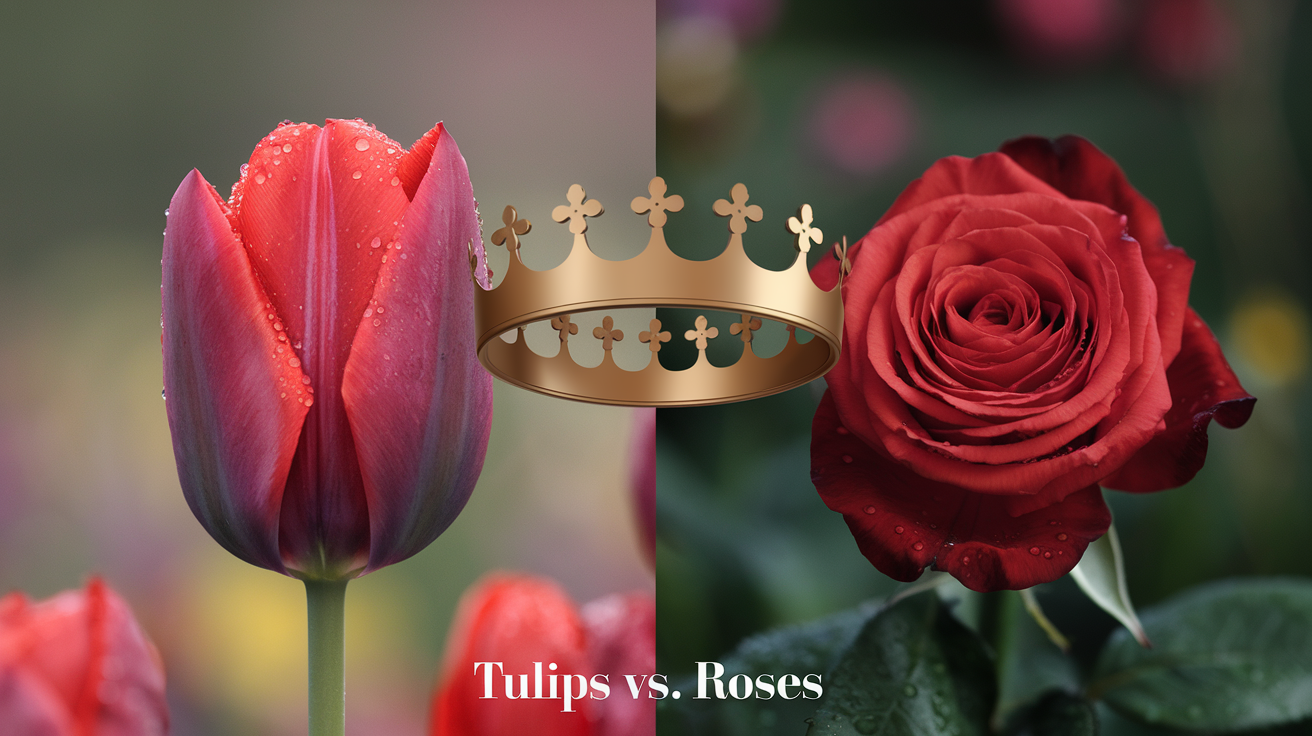
🌷 vs 🌹: The Ultimate Floral Showdown!
Have you ever found yourself caught in a floral dilemma, torn between the elegant simplicity of tulips and the timeless romance of roses? You’re not alone. For centuries, these two iconic blooms have captivated hearts and sparked passionate debates among flower enthusiasts worldwide. But which one truly reigns supreme?
In this blooming battle of beauty, we’ll delve into the enchanting world of tulips and roses, exploring their unique charms, rich histories, and distinctive features. Whether you’re a seasoned gardener, a hopeless romantic, or simply someone who appreciates nature’s wonders, get ready to embark on a fragrant journey that will challenge your perceptions and maybe even change your floral allegiances. As we compare these botanical heavyweights across various categories, you’ll discover the surprising strengths and hidden secrets that make each flower a contender for the crown. So, let’s unravel the petals of this age-old question: Tulips or Roses – which will win your heart?
The Allure of Tulips
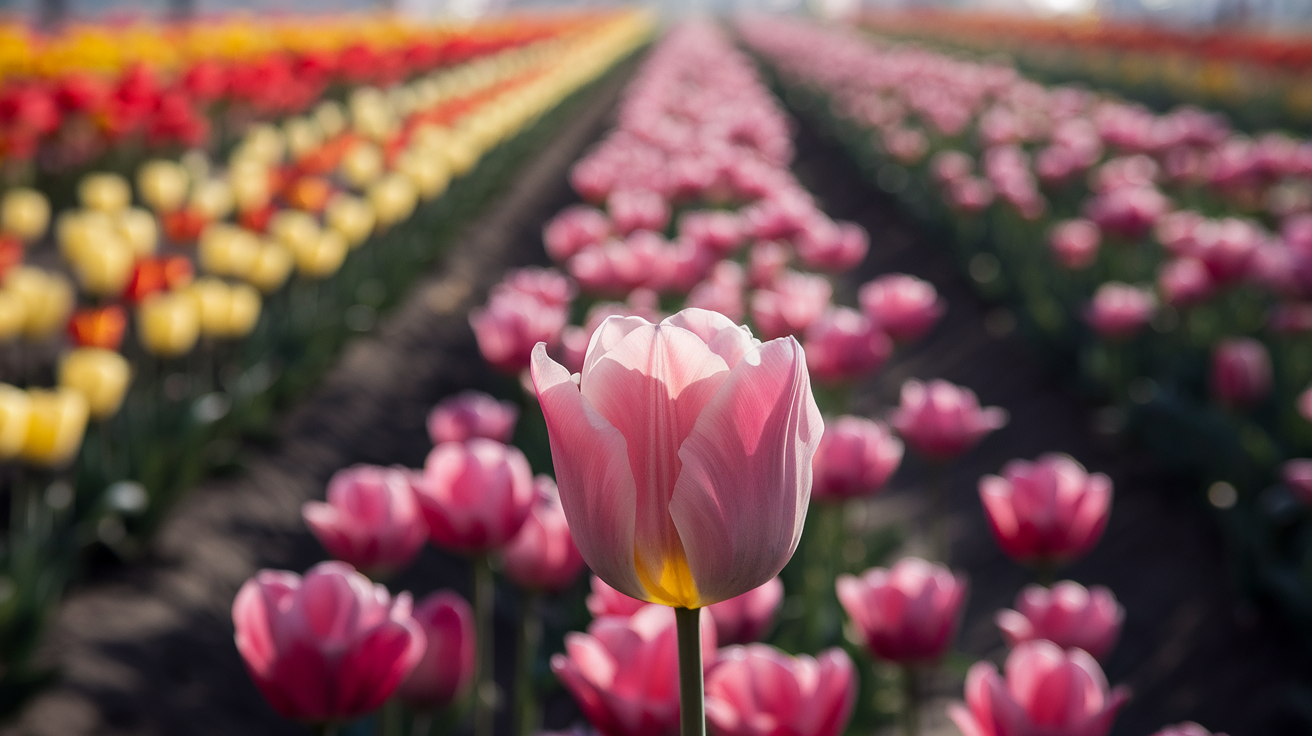
Vibrant color palette
Tulips boast an extraordinary array of colors, making them a favorite among flower enthusiasts. From classic reds and yellows to exotic purples and even black varieties, tulips offer a spectrum that’s hard to match. Here’s a breakdown of some popular tulip colors and their availability:
| Color | Availability | Popular Varieties |
|---|---|---|
| Red | Common | Red Emperor, Apeldoorn |
| Yellow | Common | Golden Apeldoorn, Yokohama |
| Pink | Common | Pink Impression, Angelique |
| Purple | Moderate | Purple Prince, Negrita |
| White | Common | White Dream, Mount Tacoma |
| Orange | Moderate | Orange Emperor, Ballerina |
| Black | Rare | Queen of Night, Black Parrot |
Symbolic meanings
Tulips carry various symbolic meanings, often tied to their colors:
- Red: Perfect love, passion
- Yellow: Cheerful thoughts, sunshine
- Pink: Affection, caring
- Purple: Royalty, prosperity
- White: Purity, forgiveness
- Orange: Energy, enthusiasm
- Black: Elegance, power
Seasonal availability
Tulips are primarily spring-blooming flowers, typically available from late winter to early summer. Their peak season varies by region:
- Netherlands: March to May
- North America: April to June
- Southern Hemisphere: September to November
Low maintenance requirements
Tulips are relatively easy to grow and maintain, making them ideal for both novice and experienced gardeners. Key care tips include:
- Plant bulbs in fall for spring blooms
- Choose well-draining soil
- Provide full sun to partial shade
- Water moderately
- Allow foliage to die back naturally after blooming
With their stunning colors, rich symbolism, and ease of care, tulips continue to captivate gardeners and flower lovers worldwide. Next, we’ll explore the enduring charm of roses, another beloved flower that has stood the test of time.
The Timeless Beauty of Roses
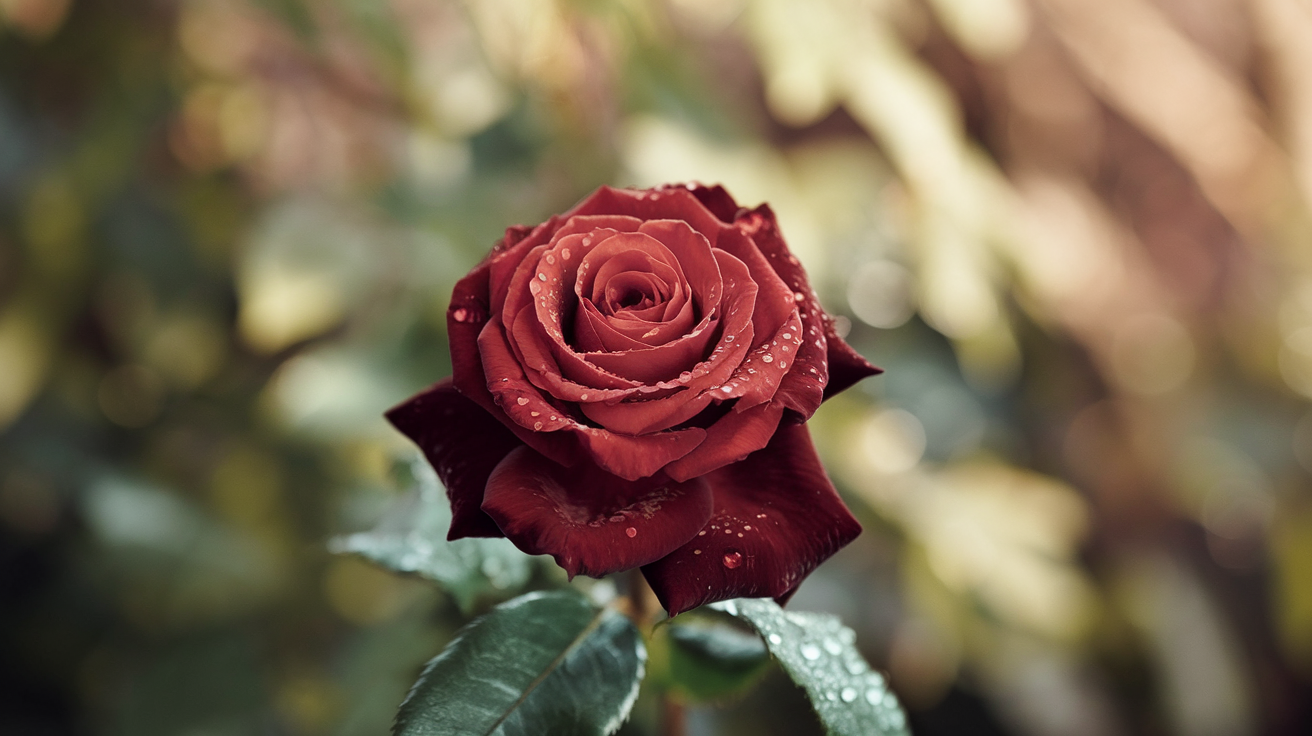
Variety of colors and fragrances
Roses captivate with their diverse palette and intoxicating scents. From classic reds to delicate pinks and vibrant yellows, roses offer a spectrum of hues to suit any occasion. Their fragrances range from subtle to bold, with notes varying from sweet and fruity to spicy and musky.
| Color | Meaning | Popular Varieties |
|---|---|---|
| Red | Love | Black Magic, Freedom |
| Pink | Grace | Pink Floyd, Geraldine |
| White | Purity | Iceberg, White Cloud |
| Yellow | Friendship | Golden Celebration, Sunsprite |
Year-round availability
Unlike many seasonal blooms, roses grace us with their presence throughout the year. This perpetual availability makes them a reliable choice for:
- Wedding bouquets
- Birthday arrangements
- Anniversary gifts
- Everyday home decor
Romantic symbolism
Roses have long been associated with love and romance, making them the go-to flower for expressing deep emotions. Their symbolic significance extends beyond romance:
- Red roses: Passionate love
- Pink roses: Admiration and gratitude
- White roses: Innocence and new beginnings
- Yellow roses: Friendship and joy
Versatility in arrangements
Roses shine in various floral designs, from simple single-stem presentations to elaborate bouquets. Their adaptability allows for:
- Classic bouquets
- Modern minimalist designs
- Rustic garden-inspired arrangements
- Elegant centerpieces
This versatility, combined with their timeless beauty, ensures that roses remain a favorite among florists and flower enthusiasts alike. As we explore the unique characteristics of tulips next, keep in mind the enduring appeal of roses in the world of floristry.
Comparing Tulips and Roses
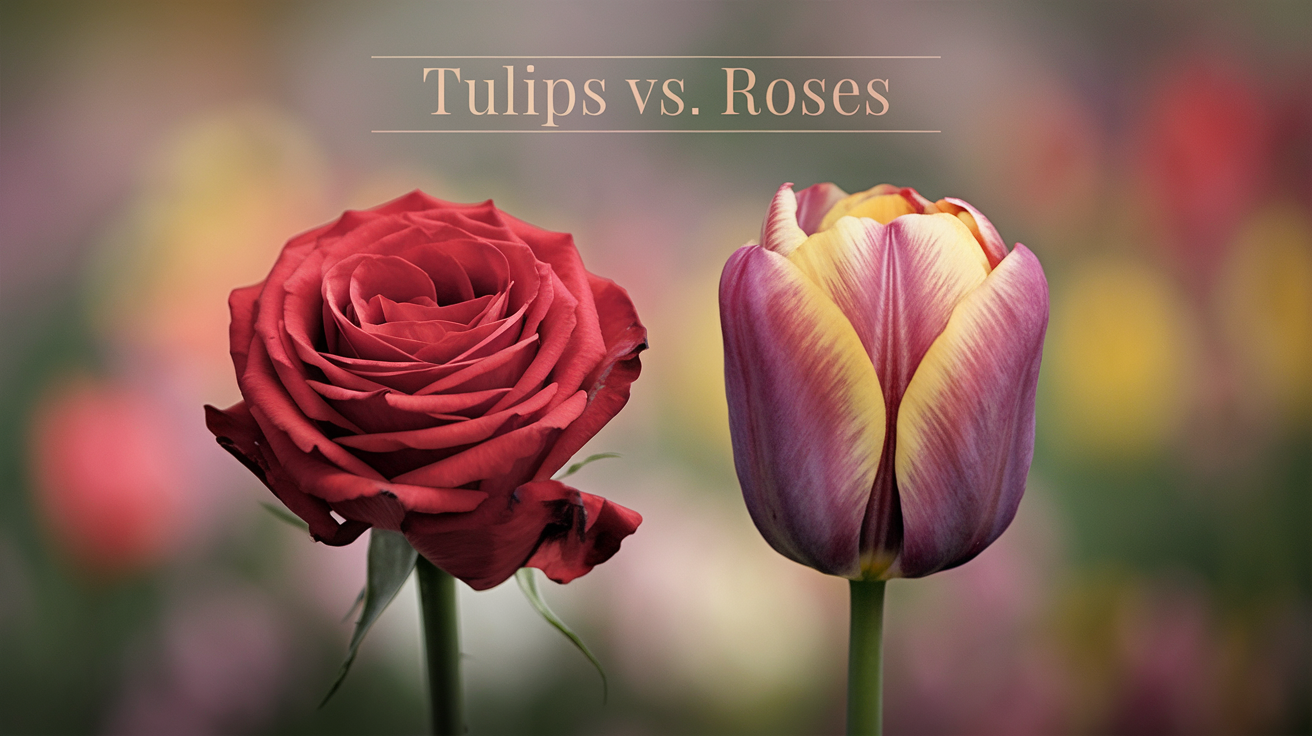
A. Price points
When it comes to cost, tulips and roses offer different value propositions:
| Aspect | Tulips | Roses |
|---|---|---|
| Average price per stem | $1-3 | $3-6 |
| Bulk pricing | More affordable | Higher |
| Seasonal availability | Spring-focused | Year-round |
Tulips generally provide a more budget-friendly option, especially during their peak season. Roses, while pricier, offer consistent availability throughout the year.
B. Longevity as cut flowers
The lifespan of cut flowers is crucial for buyers:
- Tulips: 5-7 days
- Roses: 7-10 days
Roses typically outlast tulips in vase life, making them a preferred choice for longer-lasting arrangements.
C. Growing difficulty
For gardening enthusiasts:
- Tulips:
- Require cold dormancy
- Annual replanting often necessary
- Sensitive to overwatering
- Roses:
- Need regular pruning
- Susceptible to pests and diseases
- Require consistent care
While both flowers have specific needs, roses generally demand more ongoing maintenance.
D. Popularity in different cultures
Tulips and roses hold varied cultural significance:
- Tulips: Symbolic in Dutch culture, popular in Middle Eastern art
- Roses: Widely cherished in Western, Middle Eastern, and Asian cultures
Roses enjoy broader global recognition, while tulips have strong regional associations.
E. Suitability for various occasions
Both flowers adapt well to different events:
| Occasion | Tulips | Roses |
|---|---|---|
| Weddings | Spring-themed | Traditional choice |
| Birthdays | Cheerful option | Romantic gesture |
| Sympathy | Subtle comfort | Classic expression |
| Holidays | Easter, Mother’s Day | Valentine’s Day |
Roses offer more versatility across occasions, while tulips excel in specific seasonal contexts.
Now that we’ve compared these beloved blooms, let’s explore the unique advantages that set tulips apart in the floral world.
Tulips’ Unique Advantages
Modern, sleek appearance
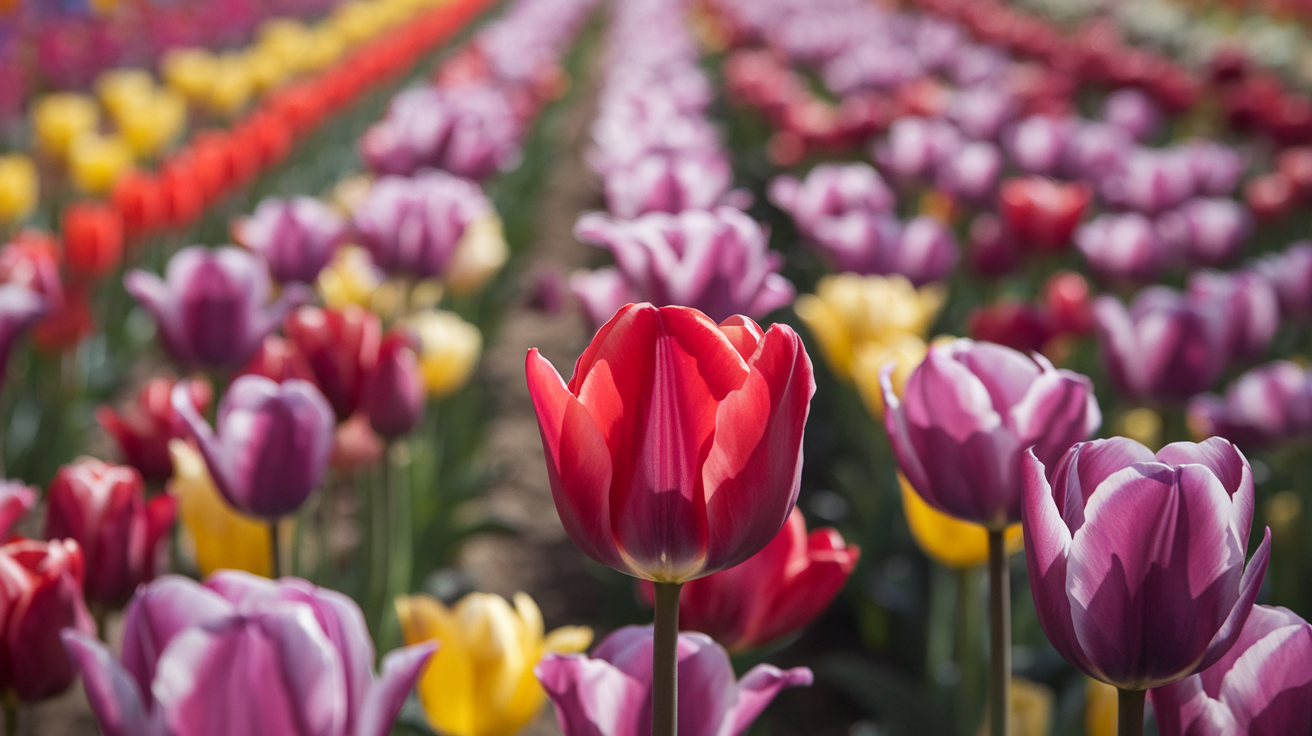
Tulips embody a contemporary aesthetic that appeals to modern sensibilities. Their clean lines and simple, elegant form make them a favorite for minimalist designs and sleek floral arrangements. Unlike the complex layering of rose petals, tulips offer a streamlined silhouette that complements modern decor effortlessly.
| Characteristic | Tulips | Roses |
|---|---|---|
| Shape | Simple, elongated | Complex, layered |
| Aesthetic | Modern, minimalist | Classic, romantic |
| Arrangement | Easy to style | Requires more skill |
Historical significance
While roses have their own rich history, tulips boast a unique cultural impact, particularly in the Netherlands. The “Tulip Mania” of the 17th century demonstrates the flower’s powerful influence on society and economics.
- Triggered the world’s first speculative bubble
- Became a symbol of Dutch culture and heritage
- Inspired countless works of art and literature
Ideal for spring events
Tulips are synonymous with spring, making them the perfect choice for seasonal celebrations. Their vibrant colors and association with renewal make them particularly suited for:
- Easter decorations
- Spring weddings
- Garden parties
- Mother’s Day bouquets
Their natural blooming period aligns perfectly with these events, offering freshness and authenticity that roses can’t match during this season. With their wide range of colors and varieties, tulips provide versatility for various spring-themed occasions, embodying the spirit of the season in a way that few other flowers can rival.
Roses’ Distinctive Features
Classic elegance
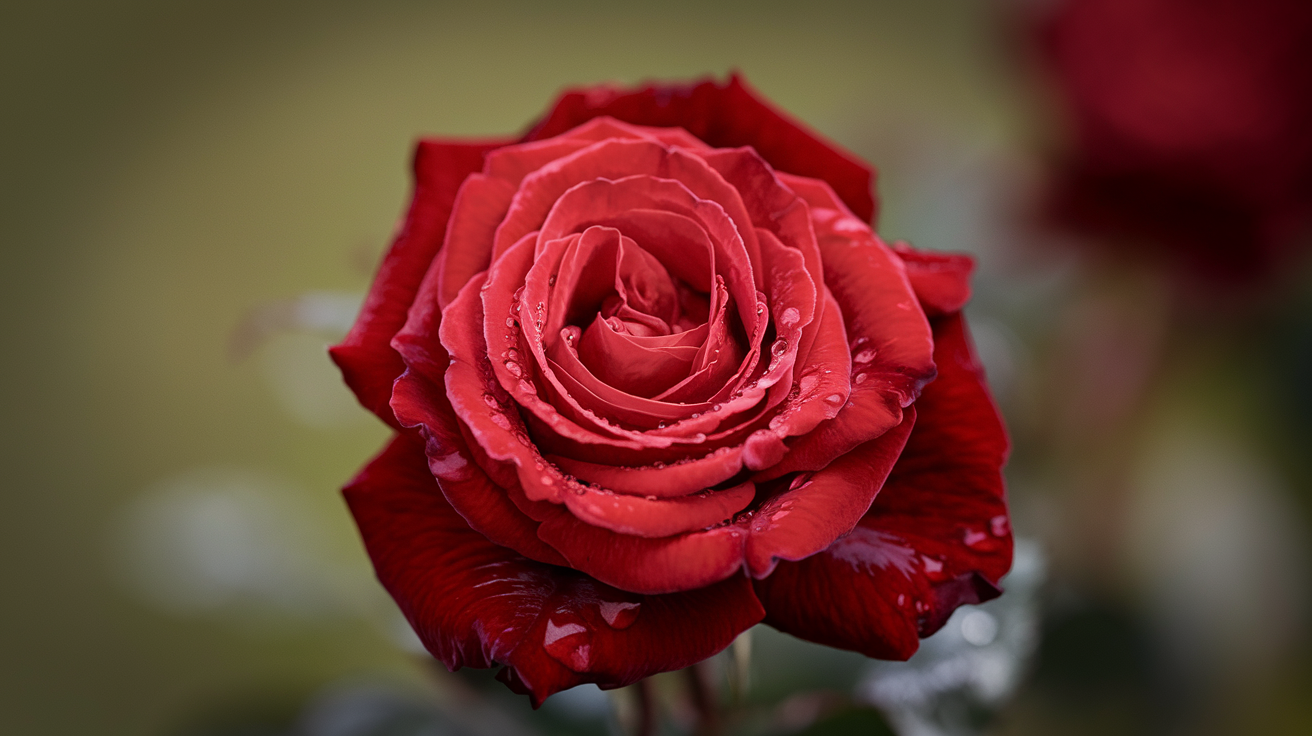
Roses have long been synonymous with timeless beauty and sophistication. Their perfect symmetry, lush petals, and captivating fragrance embody classic elegance. Whether in a bouquet or garden, roses exude a sense of refinement that few other flowers can match.
Diverse hybrid varieties
The world of roses is incredibly diverse, with thousands of hybrid varieties available:
- Tea roses: Known for their large, elegant blooms
- Floribunda: Produce clusters of smaller flowers
- Climbing roses: Perfect for trellises and walls
- Miniature roses: Ideal for small spaces or container gardening
This variety allows gardeners and flower enthusiasts to find the perfect rose for any setting or purpose.
Edible petals
Rose petals are not only beautiful but also edible, adding a touch of elegance to culinary creations:
| Use | Description |
|---|---|
| Garnish | Decorate desserts and salads |
| Flavor | Infuse teas, syrups, and jams |
| Candied | Create sweet, decorative treats |
The subtle, floral taste of rose petals can elevate both sweet and savory dishes, making them a versatile ingredient in the kitchen.
Essential oil production
Rose essential oil is highly prized in the perfume and aromatherapy industries. The process of extracting this precious oil is labor-intensive, requiring thousands of rose petals to produce just a small amount. This scarcity contributes to its value and allure in various applications:
- Perfumery
- Skincare products
- Aromatherapy treatments
- Natural remedies
The distinctive features of roses, from their classic elegance to their versatility in hybrid varieties, culinary uses, and essential oil production, make them a truly remarkable flower. These qualities have cemented roses’ place in gardens, bouquets, and various industries worldwide.
Making the Right Choice
Consider the event or occasion
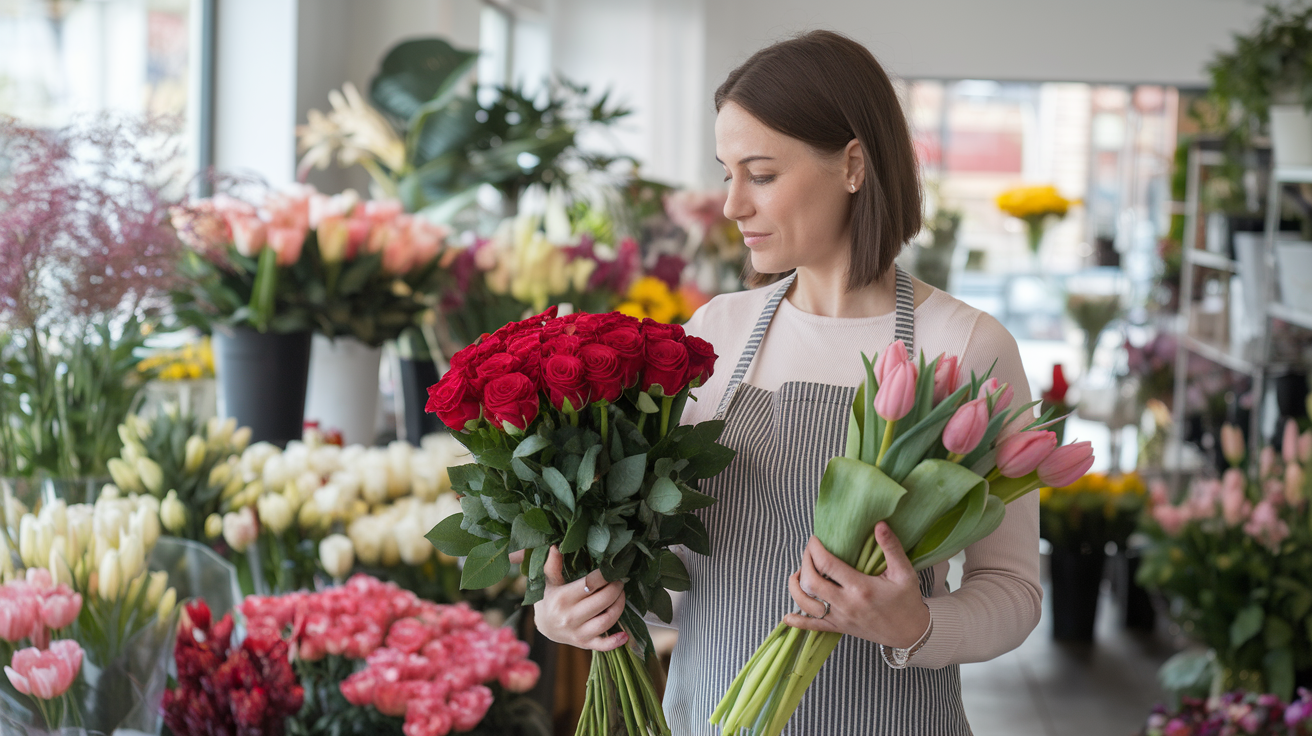
When deciding between tulips and roses, it’s crucial to consider the event or occasion. Different flowers convey distinct messages and emotions, making them more suitable for specific situations.
| Occasion | Tulips | Roses |
|---|---|---|
| Weddings | Symbolize perfect love | Traditional symbol of romance |
| Birthdays | Represent cheerfulness | Convey deep affection |
| Sympathy | Offer comfort and hope | Express condolences and respect |
| Valentine’s Day | Unique alternative | Classic choice |
Factor in personal preferences
Personal taste plays a significant role in flower selection. Consider the following aspects:
- Color preferences
- Fragrance intensity
- Flower shape and size
- Cultural significance
Evaluate care requirements
The longevity and maintenance of your chosen flowers are important factors:
- Tulips:
- Require cool temperatures
- Need minimal care
- Last 5-7 days with proper care
- Roses:
- Thrive in various conditions
- Require more attention
- Can last up to 2 weeks with proper care
Assess budget constraints
Finally, consider your budget when making your choice:
- Tulips are generally more affordable
- Roses can be pricier, especially during peak seasons
- Consider seasonal availability for better pricing
- Factor in the number of stems needed for your arrangement
By carefully weighing these factors, you can make an informed decision between tulips and roses that best suits your needs and preferences.
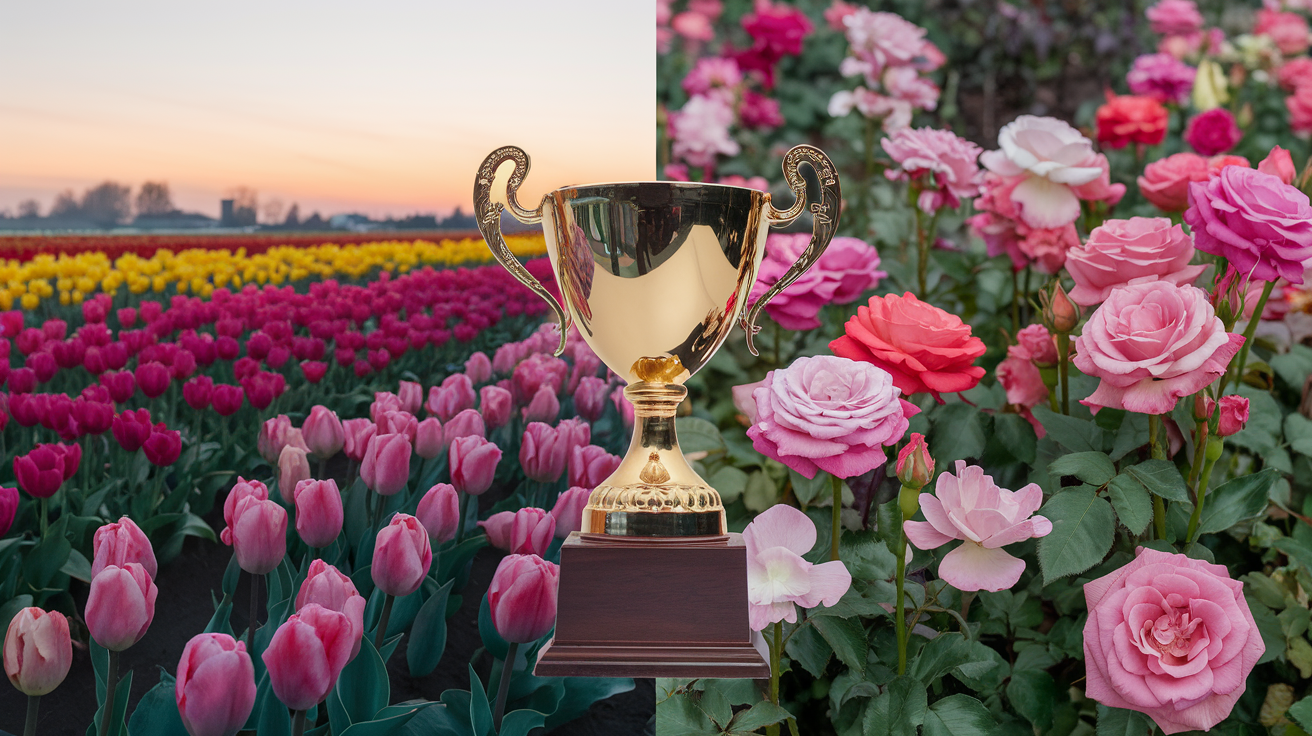
Tulips and roses, both beloved flowers, each possess unique qualities that captivate gardeners and flower enthusiasts alike. Tulips charm with their vibrant colors and elegant simplicity, while roses enchant with their timeless beauty and rich symbolism. When choosing between these two floral icons, consider your specific needs, preferences, and growing conditions.
Ultimately, the choice between tulips and roses comes down to personal taste and the desired impact in your garden or bouquet. Whether you opt for the bold, contemporary flair of tulips or the classic romance of roses, both flowers have the power to bring joy and beauty to any setting. Embrace the diversity of the floral world and let your garden bloom with the flowers that speak to your heart.